

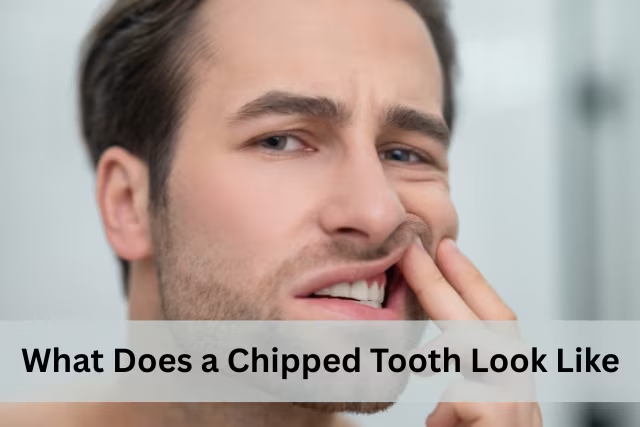
A chipped tooth may seem like a minor issue, but it can lead to sensitivity, infection, and further damage if ignored. But many people are looking for the answer to the question What does a chipped tooth look like? How can they get the treatment? A chipped tooth usually appears as a rough or uneven edge, a small missing piece of enamel, or a visible crack.
In more severe cases, the inner layer of the tooth may be exposed, causing discoloration, pain, or sensitivity. Chipped teeth can occur due to accidents, biting hard foods, teeth grinding, or enamel wear over time. The appearance can vary from barely noticeable chips to large fractures that affect both function and appearance. Understanding the early signs and symptoms of a chipped tooth helps you take timely action and avoid complications. Explore how much is a dental cleaning without insurance?
What is a Chipped Tooth?
This kind of trauma happens when a small piece of enamel is sheared off, this being the hard outer surface of a tooth. If it is superficially cracked at a corner, it would constitute a minor chip, while the damage occurs when large chunks are taken away and the dentin or pulp below is exposed. Unlike bones, teeth cannot heal themselves once chipped. Hence, immediate intervention should be sought, even when the chip is slight.
Some chipped teeth are practically unnoticeable, especially if they are at the back; others may have the following effects: alteration in the shape, alignment, and aesthetic appeal of a smile.
Common Causes of Chipped Teeth
Teeth do not chip randomly. Several underlying habits are involved that eventually cause the wearing down of the enamel and its breakage.
1. Biting on Hard Foods
One of the most common ways is by biting on something hard: ice, bones, hard candies, and popcorn kernels all put pressure on the enamel, especially if it is already weak.
2. Accidental Falls or Injuries
Various kinds of injuries from sports, road accidents, or falling in some places can cause trauma to the mouth and chip a tooth or more.
3. Grinding of Teeth (Bruxism)
Grinding of teeth or clenching of jaws, caused by stress, may deteriorate the enamel over time, making the teeth more susceptible to chipping.
4. Tooth Decay
Destroying half the tooth means weakening the tooth structure. There is an increased chance of a chip once the enamel dissolves, which can happen with very mild pressure.
5. Old Dental Work or Fillings
Old and badly bonded dental work may come loose or be broken, rendering the adjacent tooth vulnerable to chipping.
6. Sudden Temperature Change
An item that is hot one moment and cold the next is liable to produce microfractures that will lead to chipping in the course of time.
Types of Chipped Teeth and Severity Levels
Wondering what a chipped tooth looks like? The answer often depends on the type and extent of the damage.
1. Minor Enamel Chips
- Minor surface damage that only affects the outer layer
- Generally smooth or slightly jagged to the touch
- Usually painless
- Most common on front teeth
2. Moderate Chips
- Sensitivity to heat, cold, and sweet foods may follow such breaks that reach the dentine.
- Edges are more pronounced and sharper
- Cosmetic concern increases
3. Severe Chips or Fractures
- A large portion of the tooth is missing
- May expose the inner pulp, leading to pain or bleeding
- Often needs advanced treatment like root canals, crowns, or even implants. In severe cases, the cost and recovery may vary, similar to treatments discussed in cost to fix a chipped tooth.
- More common in molars and premolars
4. Craze Lines (Hairline Cracks)
- Tiny cracks in the enamel that may not be chips yet, but can become chips
- Generally harmless, but may cause discomfort over time.
- May stain or become noticeable with age
What Does a Chipped Tooth Look Like?
It is the most frequently asked question: What does chipped tooth look like? Whether you have seen one in a mirror or felt something odd with your tongue, here’s how to identify it:
1. Uneven Edge
If you feel or see a rough edge when running your tongue across your teeth, you likely have a chip. It is the first answer to what a chipped tooth looks like.
2. White or Opaque Spot
This freshly chipped surface may appear lighter or rougher than the remainder of the tooth, since the enamel surface is lost.
3. Sharp or Rough Feeling
Passing the tongue over the chipped surface may reveal a sharp or gritty feeling. Some of the chips may even cut the tongue and the inner side of the lips.
4. Stains or Dullness
The exposed dentin beneath the enamel may look yellowish or darker than the surrounding enamel. This stark color difference accentuates the chip.
5. Seen as a Gap
A triangular break or side chip is quite commonly seen on front teeth. This asymmetry affects the symmetry of a smile.
6. Hairline Crack
In molars, small chips might seem like lines or cracks and feel rough upon chewing.
If you are wondering what a piece of chipped tooth looks like, it often resembles a white or yellowish shard with jagged edges, especially when a larger portion is lost.
Chipped Tooth vs Cracked Tooth
| Feature | Chipped Tooth | Cracked Tooth |
| Appearance | Missing piece of tooth | Thin visible line |
| Pain | Sometimes mild | Often sharp pain |
| Visibility | Clearly visible | Sometimes hidden |
| Treatment | Bonding, veneers, crowns | Root canal or crown |
How to Make a Chipped Tooth Look Better
When people ask how to make a chipped tooth look better, the answer lies in the range of cosmetic treatments available today.
1. Dental Bonding
Best For: Small to fair chips
Working Procedure: Composite resins are then applied and shaped using fine brushes to restore the tooth to its natural shape.
Benefits: Quick, painless (30 to 60 min.), and cheap.
According to the American Dental Association, early treatment helps prevent further structural damage.
2. Porcelain Veneers
Best For: Mild chipping and discoloration of the front teeth
How Contrarily It Works: Thin layers are bonded on the front surface of teeth.
Benefits: It looks very natural, the bond will last for a long time, and stains refuse to adhere to it.
3. Dental Crown
Best For: Larger chips where the need for restoration of strength is paramount.
How It Works: A crown is a protective cover that rests on the entire visible tooth structure.
Benefits: This crown is highly durable and can protect the tooth most suitably in the occlusal region or where a root canal treatment has been done.
4. Tooth Contouring or Enamel Shaping
Best For: Very minor chips
How Does It Work: It is an abrasive approach for refashioning the chip into shape.
Advantages: Rapid, painless, cheap.
5. Root Canal & Crown
Best For: Chips that expose the pulp or nerve
Procedure: Pulpectomy of the affected pulp is carried out in the tooth, and the tooth is sealed after capping.
Pros: The technique greatly aids in tooth conservation.
If you are stuck wondering how to make a chipped tooth look better, these procedures are highly effective and tailored to the chip’s severity. You can also explore repair options in detail in repairing a chipped tooth cost guide.
What to Do Immediately After Chipping a Tooth
- Rinse your mouth with warm water
- Save the broken piece if possible
- Avoid chewing on the affected side
- Cover sharp edges with dental wax
- Visit a dentist as soon as possible
When to See a Dentist
Avoiding treatment in the following cases must never be done.
- Pain while chewing or drinking
- Persistent sensitivity
- Bleeding or swelling near the chipped tooth
- A piece of the tooth falls out.
- Sharp edges can cut your tongue or lips.
Even a tiny chip can normally trigger greater dental complications later on. The sooner broken chips are corrected, the more beautiful the results, and above all, your teeth are safeguarded.
Conclusion
A chipped tooth might look minor, but it can quickly lead to sensitivity, infection, or further damage if left untreated. Identifying early signs like rough edges, discoloration, or pain helps you take action before the condition worsens.
Timely dental care and the right treatment—whether bonding, veneers, or crowns—can restore both function and appearance. If you’re unsure about expenses or options, checking chipped tooth treatment cost and options can help you make an informed decision.
Frequently Asked Questions (FAQs)
1. Does a chipped tooth hurt?
Itching! The tops of teeth become sensitive only when badly decayed.
2. Does a tooth grow back after being chipped once?
No, the enamel of teeth is different from bones as it cannot regenerate. When chipped, its fix is the dentist’s job.
3. How would you tell a tooth from a chip or a crack?
Typically, in a chip, chunks of the tooth break off, and in cracks, there is a line running on its surface. Some cracks may be so subtle that one cannot pick them without dental imaging.
4. How do I fix a chipped tooth temporarily without a dentist?
Avoid ingestion of extremely hot or cold food or drinking substances. The exposed sharper areas can be covered with sugar-free gum or dental wax until one can see a dentist. And so, bonding can be accomplished right away.
5. How much would one expect to pay for the fixing of a chipped tooth?
Depending on treatment, the prices could be between ₹1,000 for bonding and ₹25,000 for crowns or implants. In general, the earlier the tooth is treated, the lower the price tends to be.
6. Can a chipped tooth get infected?
Yes. When the bacteria finds a way through a chip that has dentin or pulp exposed, it leads to an infection that will require either a root canal or tooth extraction.
7. Can a chipped tooth get worse?
Yes, if untreated, a chipped tooth can worsen over time and lead to infection or further breakage.
8. Is a chipped tooth an emergency?
It depends on severity. If there is pain, bleeding, or exposed pulp, immediate dental care is needed.
9. Can you eat with a chipped tooth?
Yes, but avoid hard or sticky foods to prevent further damage.
Disclaimer:
This article is for informational purposes only and does not constitute medical advice. Always consult a qualified dentist or healthcare professional for an accurate diagnosis and personalized treatment plan.

