

Written by the HealthWealthCare Content Team | Reviewed by Hritik Banga, Healthcare Content Expert | Last updated: October 2026
Quick Answer
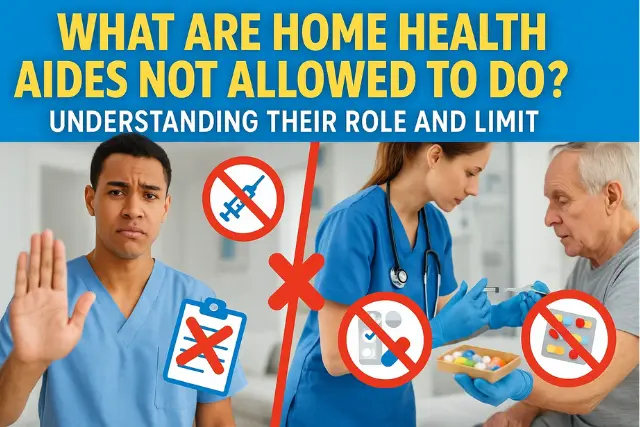
What are home health aides not allowed to do? Home health aides generally provide non-medical support such as personal care, mobility assistance, meal preparation, light housekeeping, medication reminders, and companionship. They typically cannot independently administer medications, perform medical procedures such as wound care or catheter management, or make medical decisions about a patient’s diagnosis, symptoms, or treatment. Specific duties can vary based on state laws, training, employer policies, and supervision requirements.
In today’s aging society, home health aides (HHAs) are vital provisions for the population of persons with health challenges, disabilities, or chronic illnesses, in order to foster a comfortable life at home. This enables the patients to remain autonomous while medical care is delivered away from clinics in a home setting. Another equally important issue, however, is to understand what a home health aide can and cannot do.
The home health aide is skilled and sensitive to his or her client, but with restrictions imposed by law or an agency or from a safety viewpoint(there could be more with respect to which viewpoint you would like to put the stress on). This blog will break down what they do, the duties they cannot perform, and in whose interest the limitations have been established for their safety.
The Role of a Home Health Aide
A home health aide job description includes providing non-medical care and daily living support to patients in their homes. These professionals offer essential services like:
- Personal care (i.e., bathing, grooming, dressing)
- Mobility support (walking, transfers, or exercise)
- Meal preparation and feeding assistance
- Light housekeeping (laundry, tidying up)
- Basic health documentation (temperature or blood pressure, if trained)
- Medication reminder
- Companionship and emotional support services
In simple terms, the services target supporting patients in their daily living and keeping their environment safe and hygienic.
In cases where clients need medical monitoring or procedures, HHAs work under the supervision of nurses, physicians, or care coordinators. Families may also need to understand whether health insurance covers therapy when a patient requires additional rehabilitation or therapeutic care.
They are a vital entity in home-based care, but what they can do is strictly regulated. Many individuals pursue home health aide certification through training programs that prepare them for supportive care but do not license them to perform medical procedures.
What are Home Health Aides Not Allowed to Do?
Despite training in the field, home health aide are unlicensed practitioners of medicine. This restricts them from performing medical procedures, dispensing health decisions, or rendering specific types of care. If you’re seeking a home health aide agency near me, it’s helpful to know what services cannot be expected from an aide.
Here is a comprehensive guide to everything a home health aide is prohibited from doing:
1. Giving Medications
HHAs may remind the client regarding the taking of their prescribed medications, but unlike in the case of licensed family members or nurses, they cannot directly give the medications to the client – this is especially true for injections, IVs, or any prescription medication.
2. Medical Procedures
HHAs have no training or licenses for the following:
- Wound care
- Catheter insertions or management
- Tracheostomy care
- Tube feedings
- Suctioning, and oxygen therapy
It is registered nurses (RNs), licensed practical nurses (LPNs), or appropriately certified professionals who may and do carry out procedures.
3. Make Medical Decisions
Home health aides may not assess or make decisions on symptoms, diagnosis, care plan, or treatment needs. If any medical concerns are noticed, these need to be reported to the supervising nurse or healthcare provider.
Importance of Boundaries in Home Health Care
Instead, the limitations are:
- Protecting patients’ health and safety
- Ensuring that the law is followed
- Preventing errors and liability
- Fostering collaboration with medical professionals
Understanding limitations is equally important for families hiring from a home health aide agency near me. It helps manage expectations and promotes safer caregiving relationships. Crossing these lines, even with good intentions, can lead to harm. That’s why home health aide certification programs emphasize the importance of staying within defined duties.
Conclusion
Home health aides are the backbone of the healthcare system, especially for the elderly, disabled, or chronically ill. These people preserve the dignity, freedom of choice, and quality of life of so many people. However, they have only a narrow range of activities for non-medical support.
Knowing what these aides cannot do assists families, caregivers, and clients in setting clear expectations and getting better care planning in place. Medical Doctors should always treat the patient when medical treatment has to be undertaken, and the procedures should also be safe and correct. When seeking home health aide jobs, or when hiring through a home health aide agency, it’s essential to understand what services are included—and what are home health aides not allowed to do. Boundaries are not limitations of care but protections for all involved.
Frequently Asked Questions (FAQ’s)
1. Can a HHA give insulin to patients or administer oral medication to them?
Home-health aides may advise the patient of the time to take medications; however, they cannot administer medication or provide insulin act reserved for nurses or qualified family members.
2. Can HHAs change wound dressings?
No. Any wound care, especially care for open wounds, must be performed by trained medical personnel.
3. Can the home health aide assist with physical therapy exercises?
The aide may assist the clientele with the actual performance of a procedure, in the event that the program has been suggested or changed by a licensed therapist.
4. What happens if an aide does something they are not supposed to?
Legal consequences and disciplinary action for the aide might follow, and, most importantly, that might create circumstances that can harm the patient. It pays to stay on the right side of the law.
5. Who supervises the home health aide?
Home health aides are generally going to be working under the umbrella of an RN, a medical doctor, or a home health care agency.
Disclaimer
This article is for general informational purposes only and does not constitute medical, legal, or professional caregiving advice. The duties and restrictions of home health aides can vary by state, certification, employer, care plan, and the level of supervision provided. Always confirm the permitted scope of care with the applicable state authority, healthcare provider, or home health agency before relying on an aide to perform a specific task.